Understanding the Skin Barrier
Understanding the Purposes and Importance of Moisturizer is key to maintaining healthy, resilient skin. Before diving into the benefits of moisturizers, it’s essential to understand the role of the skin barrier. The outermost layer of skin, the stratum corneum, acts as a protective barrier against environmental aggressors, pathogens, and water loss.
When the skin barrier is compromised—due to factors like pollution, harsh skincare products, sun exposure, or aging—the skin loses moisture, Purposes and Importance of Moisturizer becomes more sensitive, and is prone to inflammation, irritation, or breakouts. Understanding the Purposes and Importance of Moisturizer helps reinforce and rebuild the barrier to maintain healthy, radiant skin. This is where moisturizers come in: they help reinforce the barrier, replenish lost hydration, and prevent further damage.
Purposes and Importance of Moisturizer for Different Skin Types
1. For Dry Skin
Dry skin lacks both oil and water, often leading to tightness, flakiness, and irritation. For individuals with dry skin, moisturizers are crucial to restore lost lipids and seal in hydration. Rich creams or ointments containing ingredients like hyaluronic acid, shea butter, ceramides, and glycerin are especially beneficial.
Purpose:
- Prevents moisture loss and restores hydration.
- Relieves tightness and irritation.
- Improves skin texture and elasticity.
- Helps repair a weakened skin barrier.
The Face Shop
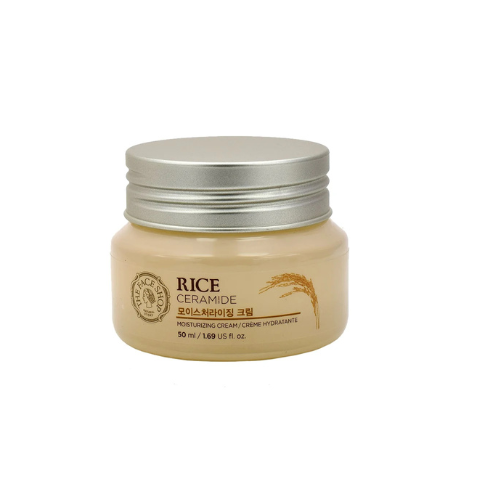
- This fast-absorbing emulsion replenishes moisture and leaves skin feeling fresh
- Formulated with rice extract from rice, rice bran oil and ceramide
- It recharges skin with moisture and replenishes its moisture barrier
- Ingredients: Glycerin, Dipropylene Glycol,Oryza Sativa (Rice), Bran Oil (0.1%Unisex
2. For Oily and Acne-Prone Skin
A common misconception is that oily skin doesn’t need moisturizing. In fact, skipping moisturizer can backfire. When oily skin is dehydrated, Purposes and Importance of Moisturizer it can overcompensate by producing even more oil, leading to clogged pores and breakouts. The key is using non-comedogenic, oil-free, and lightweight moisturizers such as gels or water-based formulas.
Purpose:
- Balances sebum production.
- Prevents dehydration without clogging pores.
- Helps calm inflammation from acne.
- Maintains skin’s barrier integrity.
CeraVe
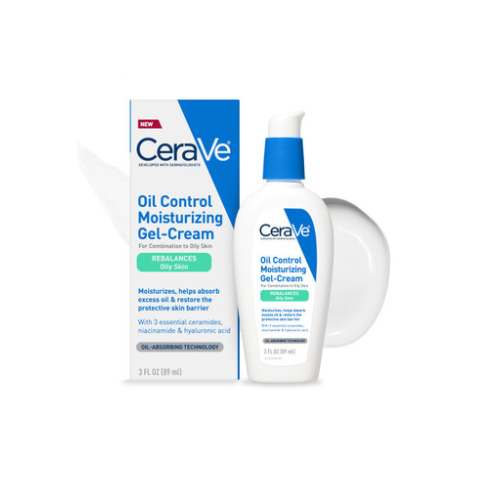
Oil Control Moisturizer
- LIGHTWEIGHT GEL-BASED moisturizer: It is a lightweight gel based face moisturizer for oily and combination skin
- INSTANT MATTE FINISH: Bid adieu to stickiness and achieve immediate matte finish results
- UP TO 8 HOURS SHINE CONTROL: Powered with Oil-Absorbing Technology,
3. For Combination Skin
Combination skin has both oily and dry areas—typically, an oily T-zone (forehead, nose, chin) and drier cheeks. Purposes and Importance of Moisturizer The challenge lies in finding a moisturizer that addresses both issues without overcompensating either way. Lightweight, hydrating lotions or gel-creams usually work well.
Purpose:
- Hydrates dry areas and balances oil in greasy zones.
- Maintains overall skin harmony.
- Prevents breakouts and flakiness simultaneously.
- Offers versatility in seasonal changes.
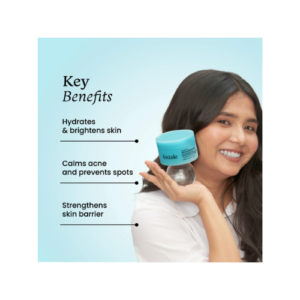
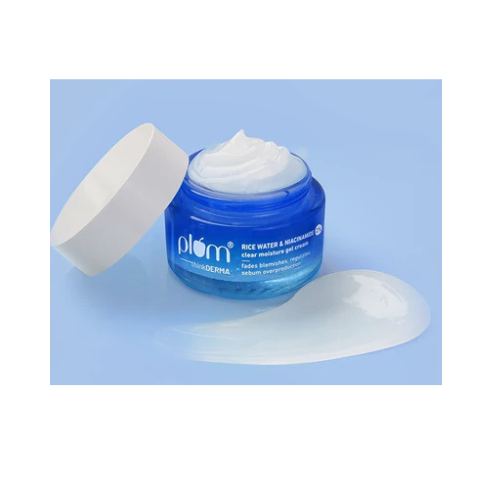
Dot & Key
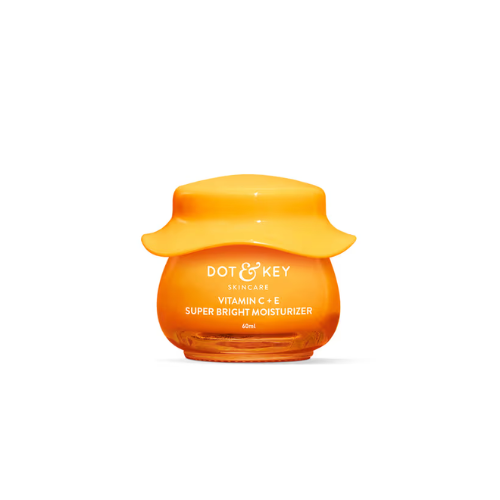
Rice Water Moisturizer
- Ceramides & Hyaluronic Hydrating Face Cream – Daily intense face moisturising cream for nourished, soft & healthy skin.
- STRENGTHENS SKIN’S BARRIER FUNCTION: With 5 essential ceramides helps to protect skin & accelerate skin barrier repair
- BALANCES SKIN’S MICROBIOME LEVEL: Improves skin resilience with probiotics.
4. For Sensitive Skin
Sensitive skin is prone to redness, burning, and irritation. Purposes and Importance of Moisturizer Moisturizers for sensitive skin should be soothing, fragrance-free, and hypoallergenic. Ingredients like aloe vera, colloidal oatmeal, ceramides, and panthenol are great for calming reactions and restoring comfort.
Purpose:
- Calms inflammation and reduces redness.
- Reinforces the skin’s natural defence system.
- Protects against environmental irritants.
- Prevents allergic reactions and flare-ups.
5. For Normal Skin
While normal skin may not have apparent issues, it still needs moisture to stay healthy and youthful. People with normal skin can opt for moderate moisturizers to maintain hydration and protect against environmental stressors.
Purpose:
- Maintains skin’s natural balance.
- Prevents early signs of aging.
- Offers protection from pollutants and UV damage.
- Keeps skin smooth, soft, and radiant.
Key Benefits, Purposes, and Importance of Moisturizer
Regardless of skin type, moisturizers offer universal benefits that contribute to long-term skin health:
1. Hydration
Moisturizers help retain water in the stratum corneum by creating a barrier that slows down water evaporation. Purposes and Importance of Moisturizer Ingredients like hyaluronic acid and glycerin are humectants that draw water into the skin, keeping it plump and supple.
2. Barrier Repair
Damaged skin barriers are more prone to irritation, inflammation, and sensitivity. Moisturizers containing ceramides, niacinamide, and fatty acids help repair and strengthen the skin’s barrier, preventing trans-epidermal water loss (TEWL).
3. Anti-Aging Benefits
Hydrated skin appears more youthful and vibrant. Dry or dehydrated skin exaggerates the appearance of fine lines and wrinkles. Moisturizers rich in antioxidants and peptides can help boost collagen production and reduce visible signs of aging.
4. Protection
Some moisturizers include SPF or antioxidant-rich ingredients that protect against sun damage, pollution, and free radicals. This added protection helps prevent premature aging and supports overall skin health.
5. Soothing and Comfort
Moisturizers often include soothing agents like allantoin, chamomile extract, or panthenol that calm irritation, redness, and discomfort, especially after cleansing or exfoliation.
Choosing the Right Moisturizer to Maximize Its Purposes and Importance
The effectiveness of a moisturizer largely depends on selecting the right product for your skin type and concerns. Here are a few general tips:
- Read Labels: Look for keywords like “non-comedogenic” (for acne-prone skin), “fragrance-free” (for sensitive skin), and “rich cream” (for dry skin).
- Seasonal Adjustments: Use lighter gels or lotions in summer and switch to thicker creams in winter.
- Patch Test: Especially important for sensitive or acne-prone skin, to avoid allergic reactions or breakouts.
- Ingredient Awareness: Avoid alcohol-based products that can dry the skin. Embrace ingredients like niacinamide, hyaluronic acid, ceramides, and squalane for their skin-nourishing properties.