How to Choose the Best Moisturizer for Your Skin Type: A Comprehensive Guide
Choosing the best moisturizer for your skin type can make a significant difference in your skincare routine. Whether you’re dealing with dry patches, oily zones, or sensitive skin, knowing how to choose the best moisturizer based on your skin type is essential for healthy, glowing skin.
Understanding how to choose the best moisturizer for your skin type is crucial for achieving healthy, well-hydrated skin. In this guide, we’ll explain the factors you need to consider when selecting the perfect moisturizer.
| Image | Product | Detail | Price |
|---|---|---|---|
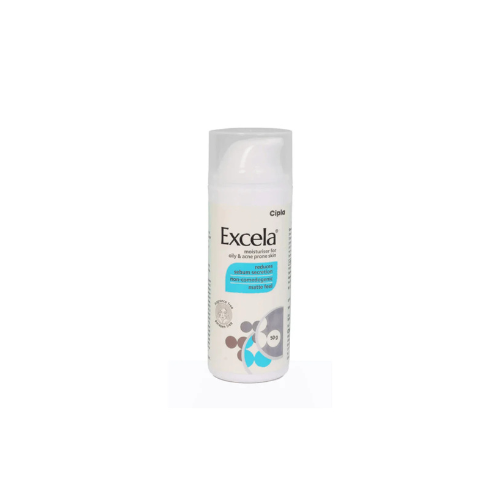 | Cipla Excela Moisturiser |
| Details |
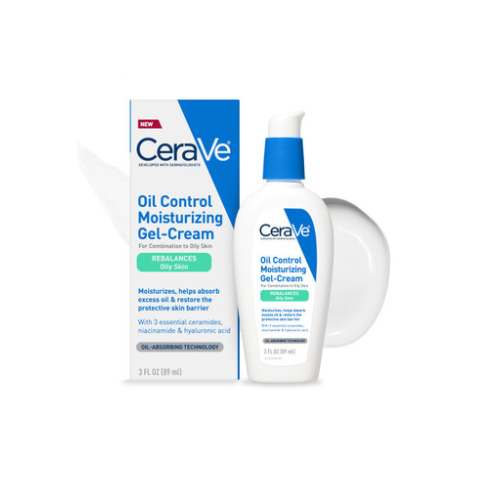 | CeraVe Oil Control Moisturizer |
| Details |
| CeraVe Lightweight Moisturizer |
| Details |
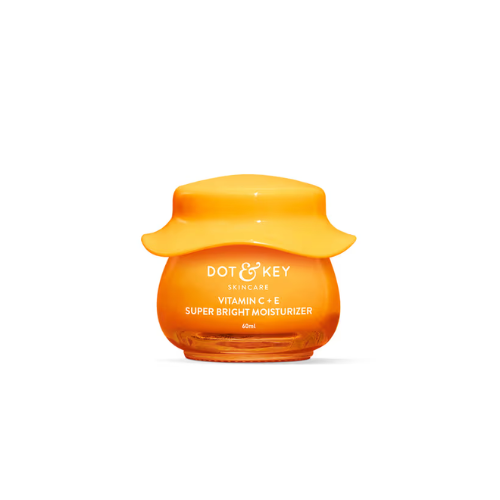 | Dot & Key Ceramides Moisturizer |
| Details |
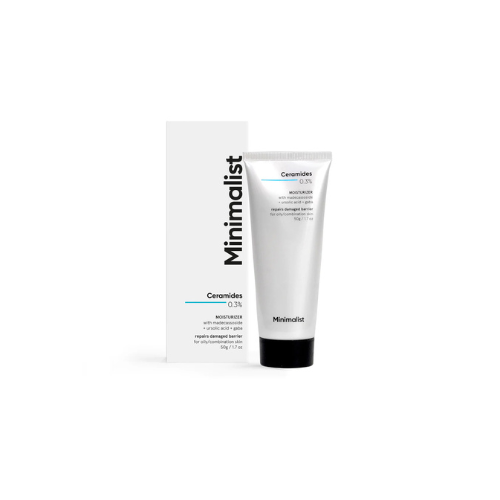 | Minimalist Moisturizer |
| Details |
1. Understand Your Skin Type
Before picking a moisturizer, it’s crucial to understand your skin type. Your skin type influences what kind of moisturizer will work best for you. Here’s how to identify your skin type:
- Oily Skin: You may notice excess shine, especially on your T-zone (forehead, nose, and chin).
- Dry Skin: Your skin feels tight, flaky, or rough, and you may experience visible dryness or irritation.
- Combination Skin: You have oily areas (like the T-zone) but dry or normal areas on your cheeks and around the eyes.
- Sensitive Skin: Your skin may be prone to redness, itching, or irritation, especially with harsh products.
- Normal Skin: Your skin feels balanced—neither too oily nor too dry—and has no noticeable issues.
2. Consider Your Skin Concerns
Your skin’s unique concerns will also play a role in determining the best moisturizer. For example:
- Anti-aging: If you’re concerned about fine lines or wrinkles, look for moisturizers that contain ingredients like retinol, peptides, or vitamin C. These ingredients can help boost collagen production and smooth out skin texture.
- Acne-prone Skin: If you’re prone to acne, opt for oil-free or non-comedogenic moisturizers. Look for ingredients like salicylic acid or niacinamide that can address acne while still hydrating the skin.
- Hyperpigmentation: For uneven skin tone or dark spots, moisturizers with vitamin C, licorice extract, or alpha arbutin can brighten the complexion and fade pigmentation over time.
3. Pick the Right Formula Based on Skin Type
- How to Choose the Best Moisturizer for Oily Skin: Choose a lightweight, oil-free moisturizer. Gel-based or water-based moisturizers are ideal for oily skin as they hydrate without making the skin greasy. Look for ingredients like hyaluronic acid and glycerin, which hydrate without clogging pores.
- For Dry Skin: Opt for thicker, cream-based moisturizers that provide intense hydration. Look for ingredients that help lock in moisture, such as ceramides, shea butter, squalane, and glycerin. These ingredients help restore and strengthen the skin’s moisture barrier.
- The Best Moisturizer for Combination Skin: Look for a balancing moisturizer that hydrates dry areas without making the oily zones more greasy.
- For Sensitive Skin: If your skin is sensitive, opt for fragrance-free, hypoallergenic moisturizers that are designed to minimize irritation. Choose calming ingredients like chamomile, aloe vera, and ceramides, which can soothe and protect the skin without causing a reaction.
- For Normal Skin: If you have normal skin, you can usually get away with a variety of moisturizers. Go for lightweight lotions or gel-creams that hydrate without overwhelming the skin. Ingredients like hyaluronic acid and vitamin E can nourish your skin while maintaining its natural balance.
4. Know Your Preferences: Texture and Application
Different textures can affect how a moisturizer feels on your skin. Here are a few options:
- Gel-based Moisturizers: Light and refreshing, ideal for oily or acne-prone skin.
- Cream-based Moisturizers: Rich and nourishing, perfect for dry or dehydrated skin.
- Oil-based Moisturizers: Best for very dry or mature skin, as they offer intense hydration and lock in moisture.
- Spray/Mist Moisturizers: These provide a quick boost of hydration, ideal for on-the-go or travel.
If you prefer something that doesn’t feel heavy, a gel-cream hybrid or light lotion may be the best option. If you need something that offers long-lasting hydration, go for a thicker cream.
5. Check for Added Benefits
Some moisturizers come with added benefits to enhance your skincare routine. Here are some additional features to consider:
- SPF Protection: Some moisturizers offer built-in sun protection. SPF 30 or higher is recommended for daily use.
- Anti-pollution Ingredients: Look for moisturizers with antioxidants like vitamin C or green tea extract to protect against environmental stressors like pollution and free radicals.
- Fragrance-free Options: If you have sensitive skin, opt for fragrance-free formulas to reduce the risk of irritation.
6. Patch Test Before Full Application
No matter how carefully you choose your moisturizer, it’s always a good idea to patch test a small amount on your wrist or behind your ear. This ensures that you won’t have an adverse reaction, especially if you have sensitive or reactive skin.
Conclusion: Finding the Perfect Moisturizer for Your Skin
Choosing the best moisturizer is about understanding your skin type, concerns, and preferences. By selecting the right product based on these factors, you’ll ensure your skin stays hydrated, balanced, and healthy. Whether you need a rich, nourishing cream or a lightweight gel, there’s a perfect moisturizer out there for everyone.